Qodana / Use Cases / Static Code Analysis for Teams
Growth in your development team is usually a sign that things are going well.
Growing teams usually means increased budgets, more resources, and the ability to produce higher quality output more quickly. But it’s not without its challenges.
As you grow from two or three developers to 10 or more, code quality becomes an increasing challenge for development teams, particularly when it comes to coordination and consistency.
When you’re a smaller team, you can rely on water cooler chats, informal communication, and leaning on peer-to-peer knowledge sharing. But with more people and larger development teams, it can be a struggle to maintain the same standard of code quality.
Get a 60-day trial
Whether you’re already working in a large team or are experiencing growth in your development resource, there are some common hurdles you’ll want to overcome. Let’s take a look at a few.
Senior developers typically apply rigorous standards, but this might not be the case across your whole team. Junior team members might focus on functionality over maintainability, for example, leading to inconsistent output.
Different contributors also have varying comfort levels with security best practices, performance optimization, and architectural patterns, which can cause different standards within your team.
If team members are working on unfamiliar parts of your codebase, they could miss context-specific quality issues. A backend developer reviewing frontend code, for example, might not catch accessibility violations, while a database specialist might overlook UI performance problems.
When onboarding new hires, it can be difficult to understand quality expectations that aren’t documented anywhere. New team members then have to learn through trial and error during code reviews, which can lead to frustration and slow their productivity.
Team leads may lack insight into which contributors consistently struggle with specific quality issues. This means it can be difficult to understand whether problems are isolated incidents or systemic patterns requiring team-wide training.
Quality problems that span multiple developers or projects can often remain invisible until they cause production issues, leading to more time being spent unpicking issues that should have been spotted earlier.
Qodana can help your team improve its code review by transforming the process from an individual responsibility into a shared team capability. Integrating static code analysis for your team into existing development workflows helps you coordinate quality standards without disrupting how your team already works.
Consistency across team environments
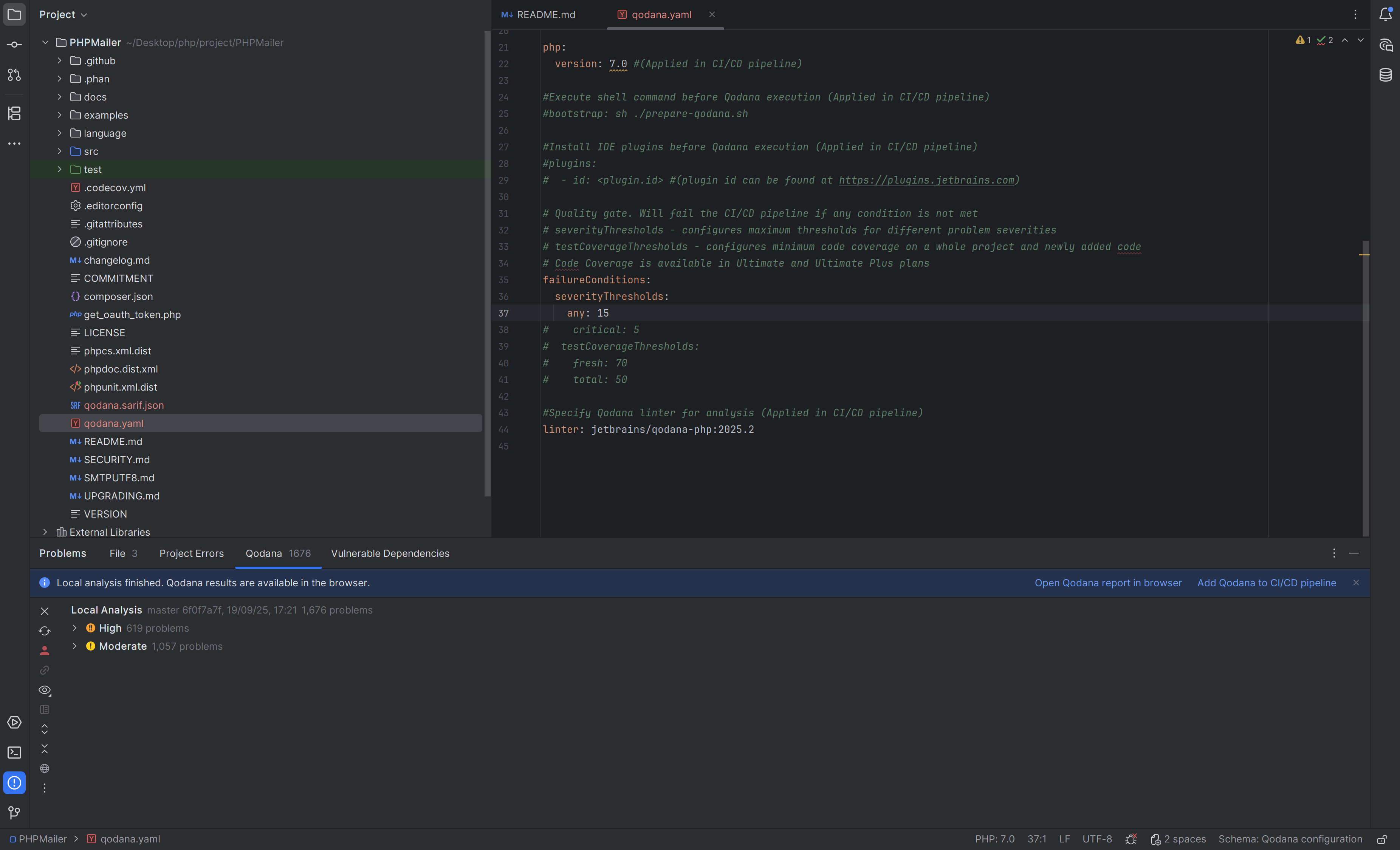
Qodana extends IntelliJ IDEA’s inspection engine to work consistently across team environments. That means developers see the same quality checks locally in their IDEs as they do in CI analysis, eliminating surprises during builds and making it easier to fix problems before pushing code.
Quality gates and baseline features
Set standards with customizable quality gates that help your team track improvement over time without being overwhelmed by existing technical debt. Define your current quality standards and prevent new issues while gradually addressing legacy problems.
Shared inspection profiles across projects and environments
Apply identical quality rules whether developers are working locally, in staging environments, or during production deployments. Ensure code quality standards remain consistent across your different projects, team members, and development phases.
Real-time feedback during collaborative development
Help team members catch issues in their IDE before code reaches shared repositories. This reduces the quality-related friction that can slow down collaborative development and peer review processes.
Centralized dashboards for team visibility
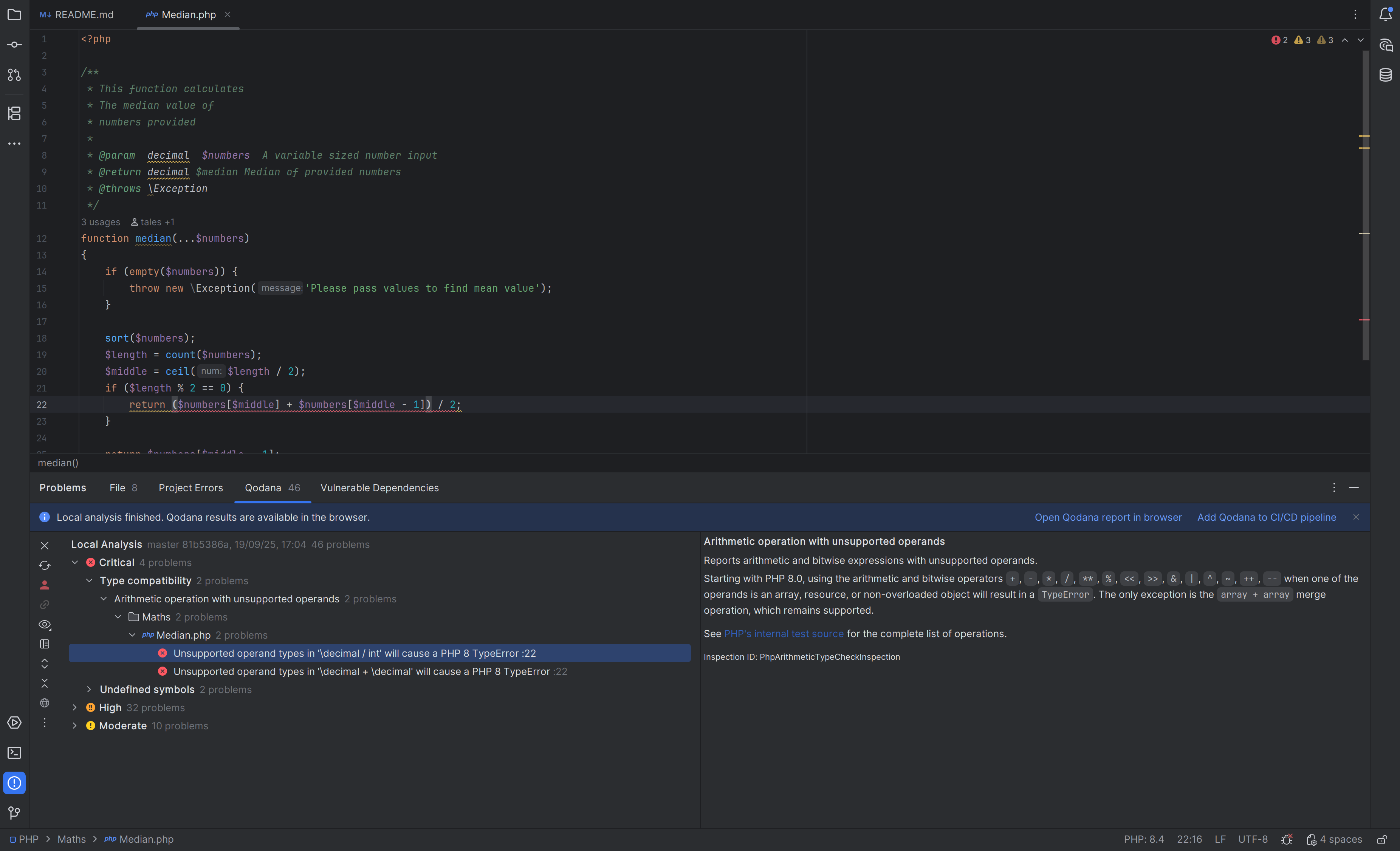
Track issues, trends, and technical debt across all team projects from a single dashboard interface. Team leads can identify patterns, allocate resources for quality improvements, and ensure quality efforts align with project priorities.
Shared customizable inspection profiles
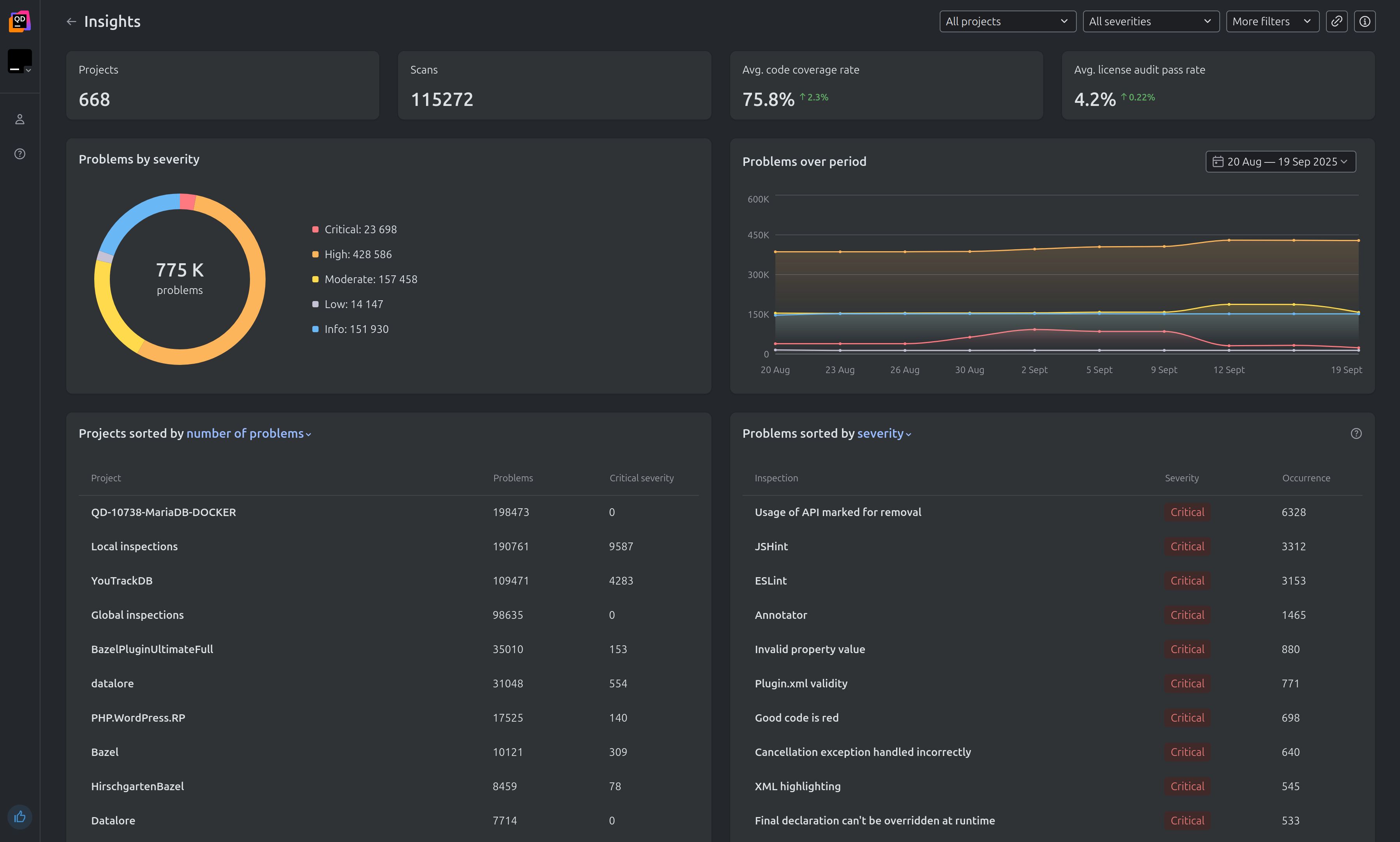
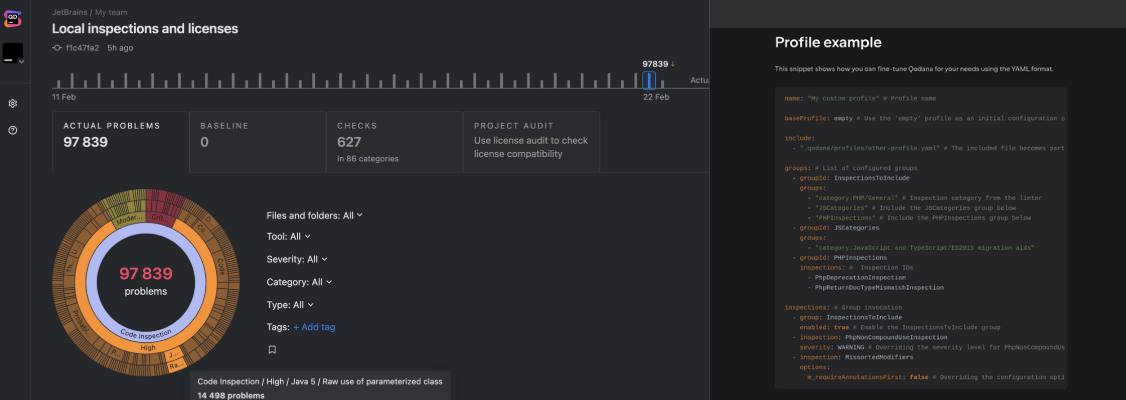
Ensure every team member applies identical quality standards regardless of their experience level or domain expertise with shared inspection profiles. Your junior developers receive the same thorough analysis as senior team members, accelerating their learning while maintaining quality consistency.
These profiles can be customized for different project types, so you can apply appropriate standards for backend services, frontend applications, or shared libraries.
If you’re working as part of a team, one of Qodana’s biggest advantages is its ability to slot into your ways of working without the need for upheaval and process changes.
Qodana offers multi-language support that assists teams with full-stack development. Analyze codebases in more than 60 languages, including JavaScript, TypeScript, PHP, Python, and Java, all within the same platform. Full-stack teams can maintain consistent quality standards across frontend and backend codebases without needing separate tools.
With Qodana, you enjoy seamless integration for frictionless team collaboration. Use the same inspection engine in JetBrains IDEs and CI/CD pipelines, ensuring that quality checks work identically in the context of individual development and team collaboration.
As development teams grow, maintaining consistent code quality becomes a coordination challenge that informal processes can’t solve
By embedding static code analysis into your team’s development workflows, Qodana helps you enforce best practices without sacrificing development speed.
The result is teams that grow without compromising quality, no matter how fast they scale or how complex the work becomes.
Get a 60-day trial