Novidades no Rider 2026.1
Rider 2026.1 brings improved support for the .NET ecosystem and game development workflows, as well as refinements to the overall developer experience. Os destaques desta versão incluem:
Qualquer agente, integrado
- ACP Registry: Navegue e instale agentes de IA com um clique.
- Worktrees do Git: trabalhe em branches paralelos e transfira um deles para um agente enquanto continua trabalhando em outro.
The latest language support
- C# 14 newness, C# 15 Preview features, and more
.NET support and productivity improvements
- Suporte para programas C# baseados em arquivos
- NuGet Package Manager Console Preview
- Visualizador para desassemblagens .NET
Game development improvements
- Complete mobile development support for Unreal Engine on Android and iOS
- CMake support for C++ gaming projects Beta
- Redesigned Unity Profiler integration
- Enhanced Godot editor integration
IA
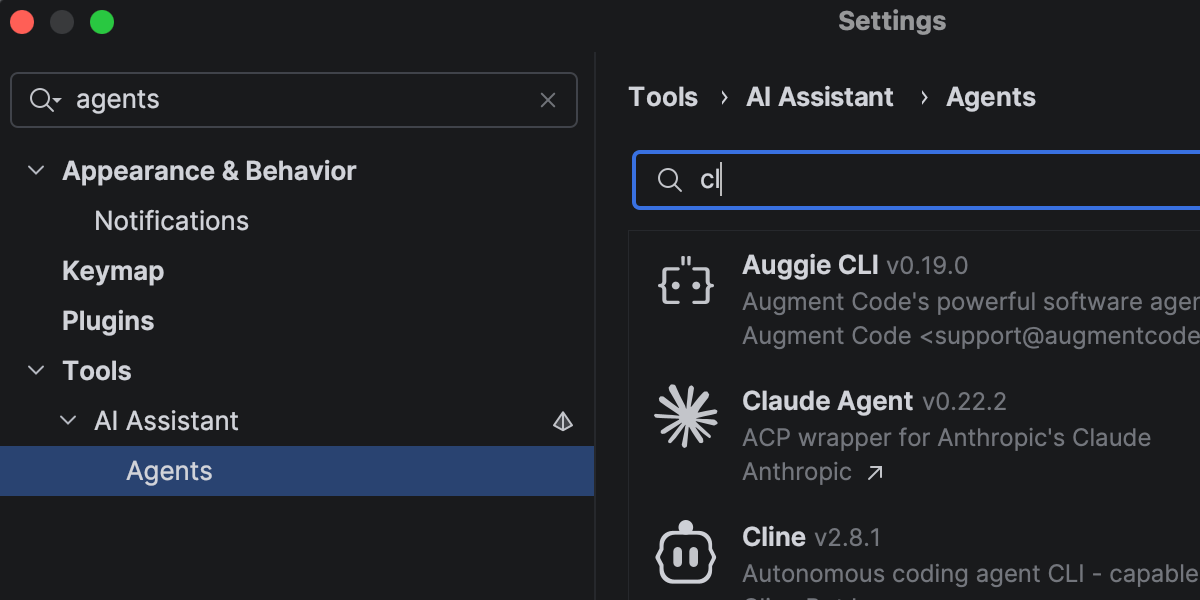
O Rider continua evoluindo como uma plataforma aberta que permite incorporar suas ferramentas de IA preferidas aos seus fluxos de trabalho profissionais de desenvolvimento.
In addition to Junie, Claude Agent, and Codex in the AI chat, you can now choose from a wider range of agents, including GitHub Copilot and Cursor, and dozens of external agents supported via the Agent Client Protocol. Com o novo Registro ACP, você pode descobrir os agentes disponíveis e instalá-los com apenas um clique.
More improvements for working with AI agents in Rider here.
Faster solution loading and code completion
Rider 2026.1 improves performance in areas you notice during everyday work.
Opening solutions and attaching to running processes is now faster thanks to more efficient indexing of the referenced assemblies. Code completion is also more responsive, particularly for import suggestions, helping you stay in flow with fewer interruptions.
Code analysis has also been optimized, contributing to lower overall IDE overhead.
The latest language support
C#
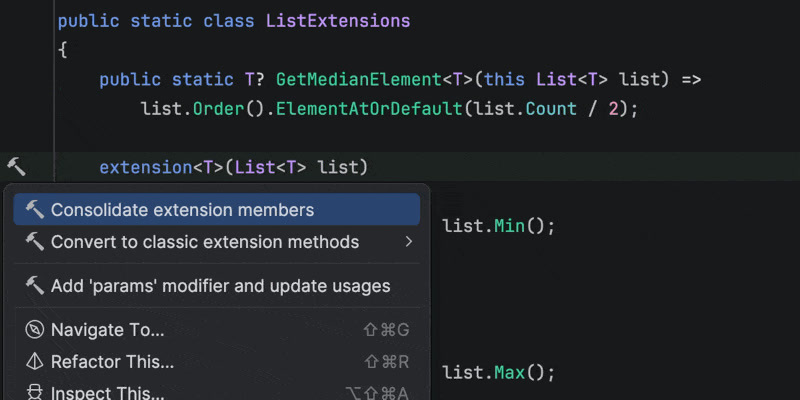
Rider 2026.1 brings improvements to code analysis, new inspections, and support for evolving language features. Enhanced support for C# extension members includes better navigation and refactorings, as well as improved quick-fixes that automatically import missing extension members when needed.
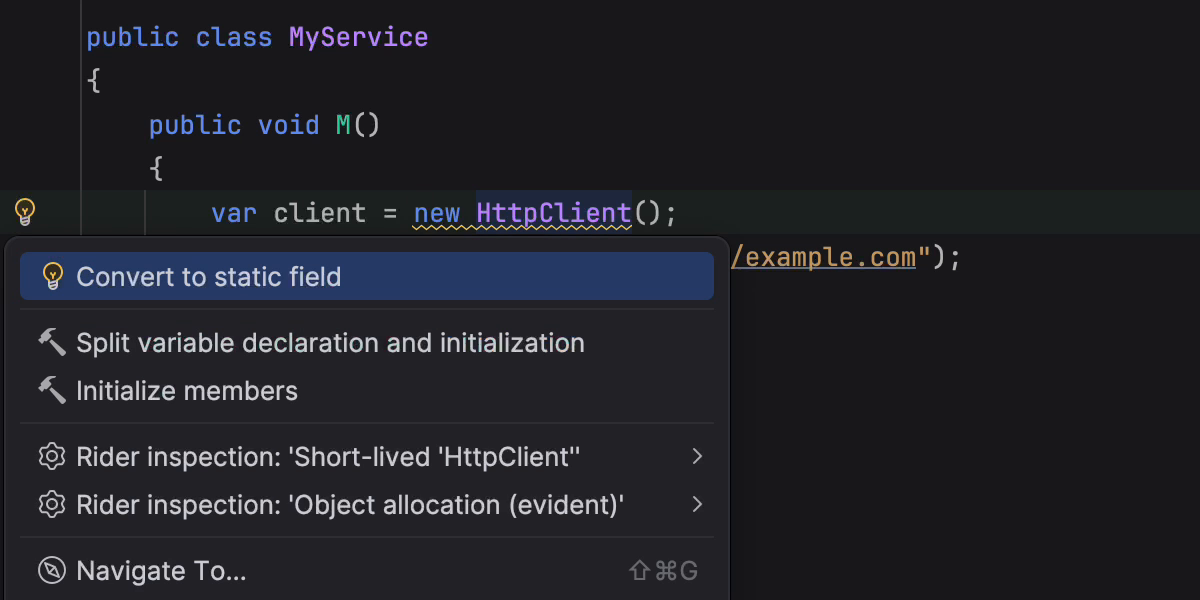
This release also introduces early support for C# 15 Preview language features, such as collection expression arguments and the [ExtendedLayout] attribute, helping you experiment with new syntax as the language evolves. In addition, several new inspections and style options help catch subtle issues, such as short-lived HttpClient instances or incorrect use of ImmutableArray<T> with collection initializers.
Rider’s C# code intelligence is powered by ReSharper. If you want to dive deeper into C# language updates, we describe them in detail on the What’s New in ReSharper 2026.1 page.
Improved debugging for F#
Rider's new Smart Step Into for F# support makes it easier for you to choose your step target. The debugger can also display return values for function calls, helping you understand program flow without adding extra logging. Stepping has been improved for async and task expressions, and multiple issues affecting F# debugging have been fixed.
For the full list of changes and fixes, see the F# plugin release notes.
.NET support and productivity improvements
Suporte para programas C# baseados em arquivos
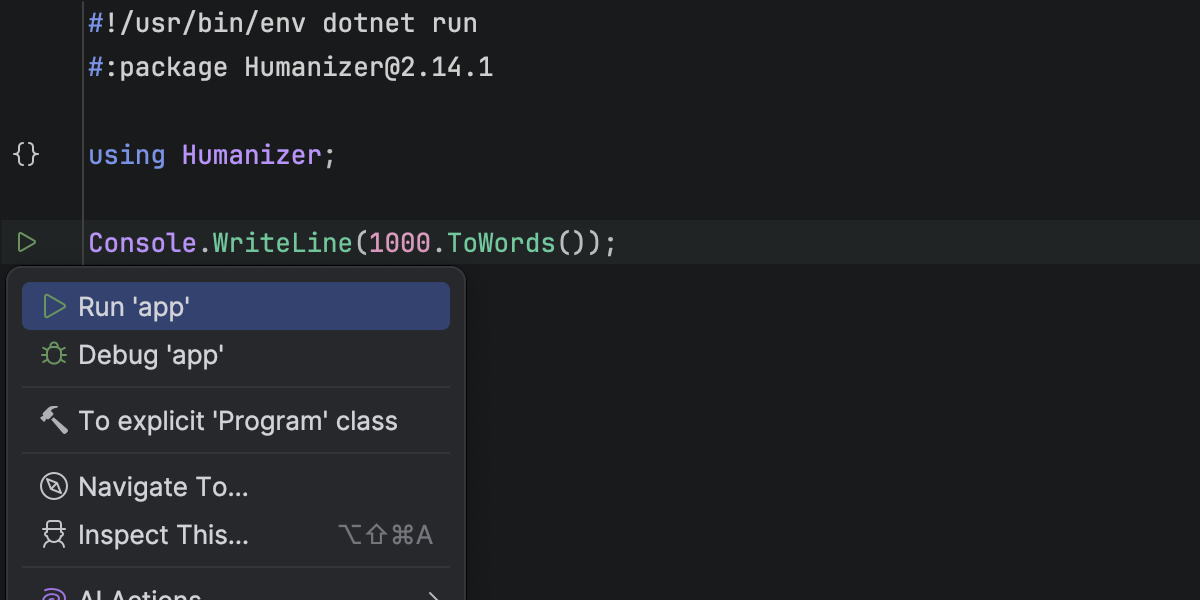
O Rider agora oferece suporte ao trabalho com programas C# de arquivo único que podem ser executados usando dotnet run file.cs. Você pode abrir e executar um arquivo .cs independente diretamente do IDE, sem precisar de um .csproj.
O editor do Rider reconhece programas baseados em arquivo com declarações de nível superior, shebangs #! e diretivas #:, incluindo #:package e #:sdk. Realce de código, complementação de código, marcadores de execução e depuração estão todos disponíveis, permitindo criar scripts rápidos, protótipos e ferramentas de uso único escritas como um arquivo C#.
NuGet Package Manager Console Preview
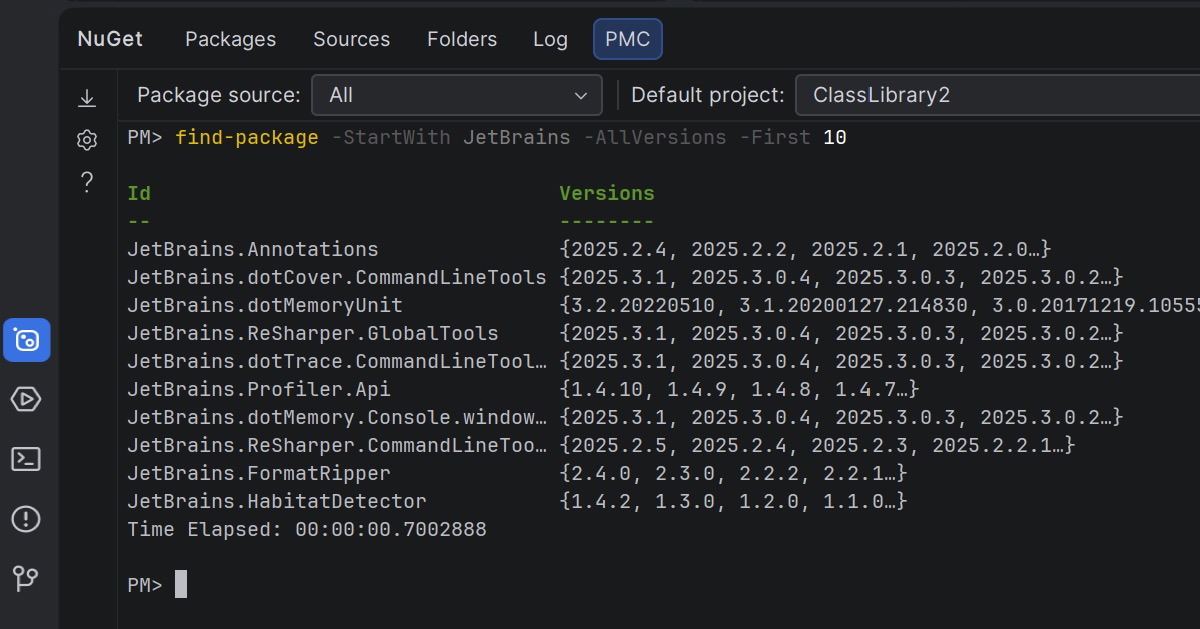
Rider 2026.1 brings NuGet’s PowerShell-based workflow into the IDE, offering a Package Manager Console (PMC) that’s currently in preview.
The new console supports standard NuGet PowerShell commands, as well as commands provided by NuGet packages themselves. Os comandos do PowerShell Entity Framework Core são totalmente suportados, permitindo que você aproveite fluxos de trabalho familiares do EF Core sem sair do Rider.
Você pode executar comandos do NuGet e do Entity Framework Core tanto pela janela de ferramentas NuGet quanto diretamente no terminal. In the NuGet tool window, you can select the package source and default project using UI controls. In the terminal-based console, this context is displayed in the PowerShell prompt and can be changed using PowerShell commands.
Let us know what you think about this feature here.
Azure DevOps: possibilidade de clonar repositórios
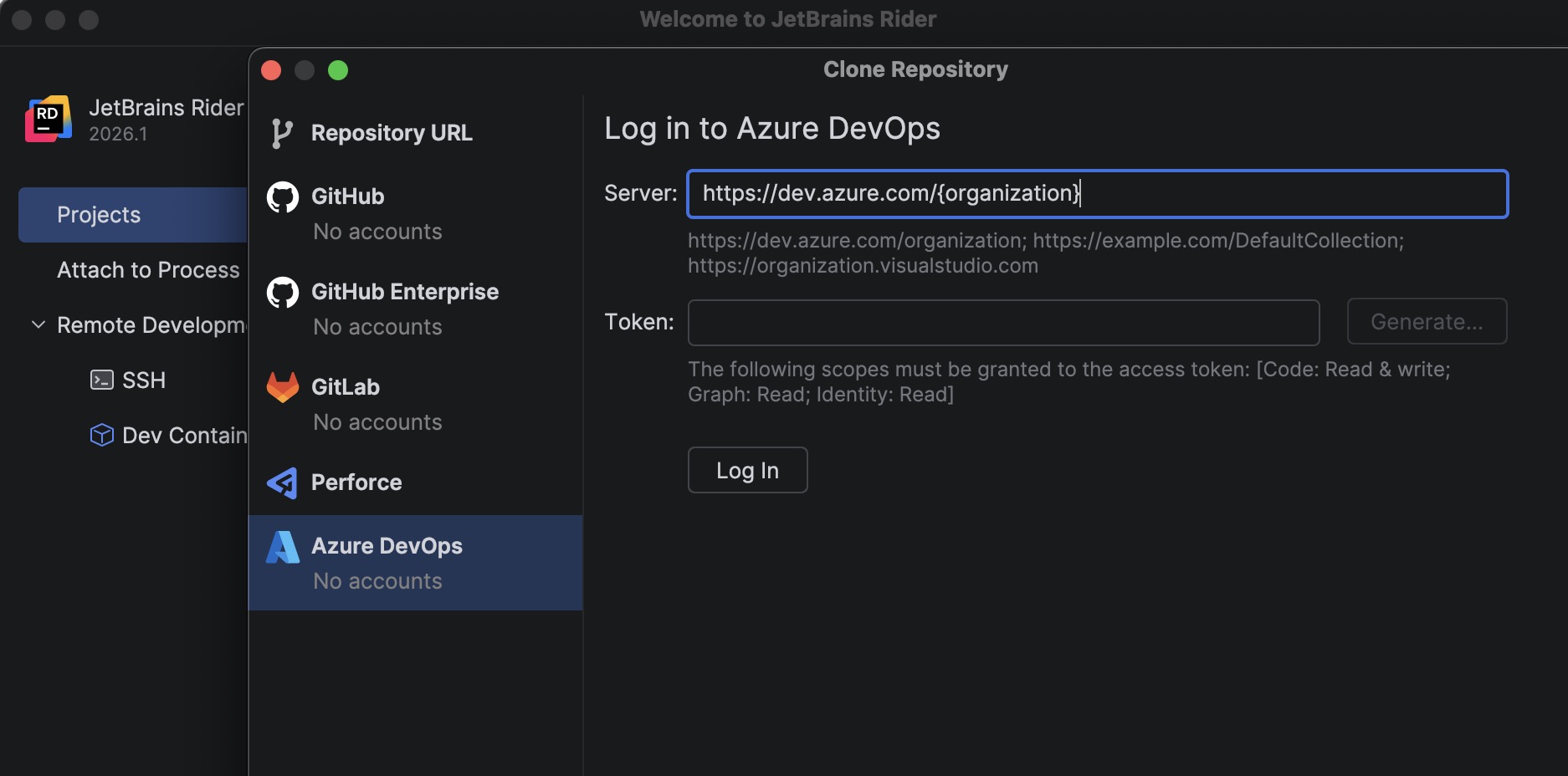
A new bundled Azure DevOps plugin allows you to clone repositories directly from Rider.
To get started, go to File | Open | Get from Version Control and select Azure DevOps from the list of providers. Rider authenticates you using a personal access token (PAT) and then displays the repositories available to your account so you can clone them directly from the IDE.
Visualizador para desassemblagens .NET
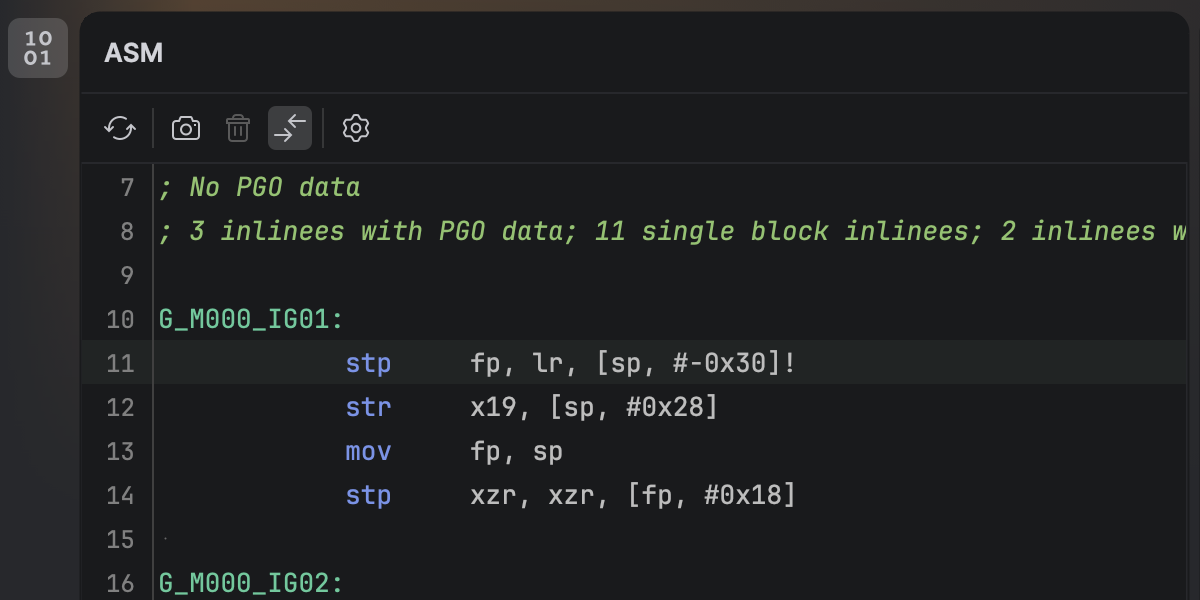
Agora você pode visualizar o desassemblado nativo gerado a partir do seu código C# sem sair do Rider. Depois de instalar o novo Plug-in .NET Disassembler, será possível inspecionar a saída produzida pelos compiladores JIT, ReadyToRun e NativeAOT dentro da nova janela de ferramentas ASM Viewer.
Smoother MAUI iOS development workflow from Windows
Developing .NET MAUI applications for iOS from Windows requires connecting Rider to a Mac build host. Rider 2026.1 streamlines this workflow with a new setup experience that automatically prepares the remote environment.
When you connect to a Mac, Rider now verifies that the remote system has everything configured, including macOS, Xcode, the .NET SDK, and required MAUI workloads. If any components are missing, Rider can install or update them automatically, helping you get started faster.
Additionally, you can now build, deploy, and debug MAUI iOS applications from Windows more reliably. We’ve improved diagnostics and connection stability, and fixed issues that previously prevented MAUI apps from deploying to iOS simulators or Windows devices.
Game development improvements
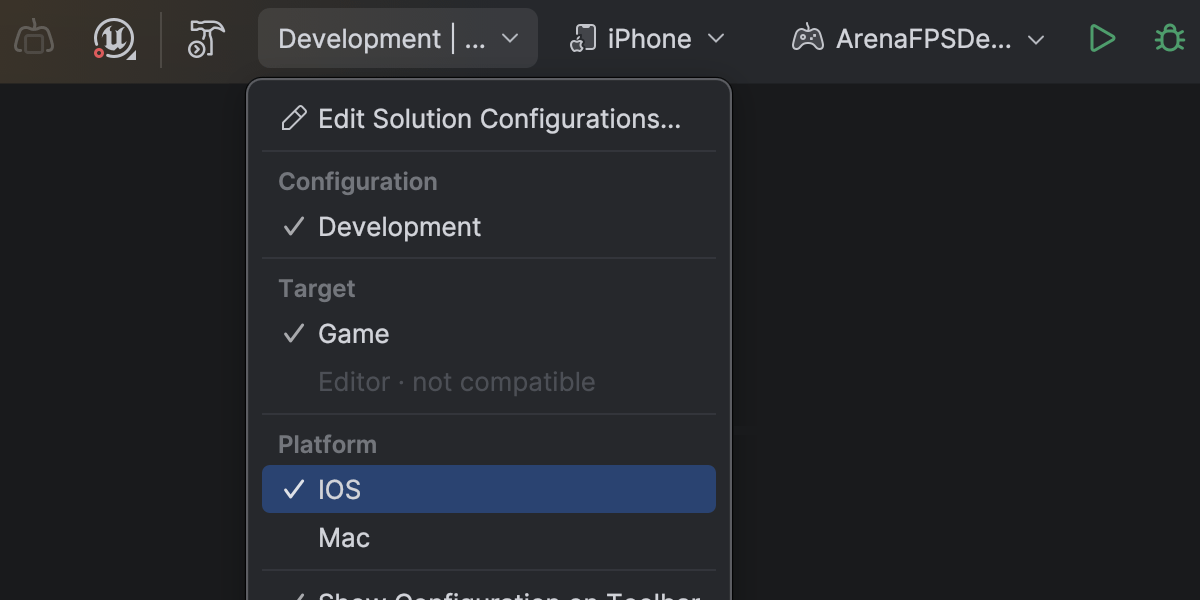
Complete mobile development support for Unreal Engine on Android and iOS
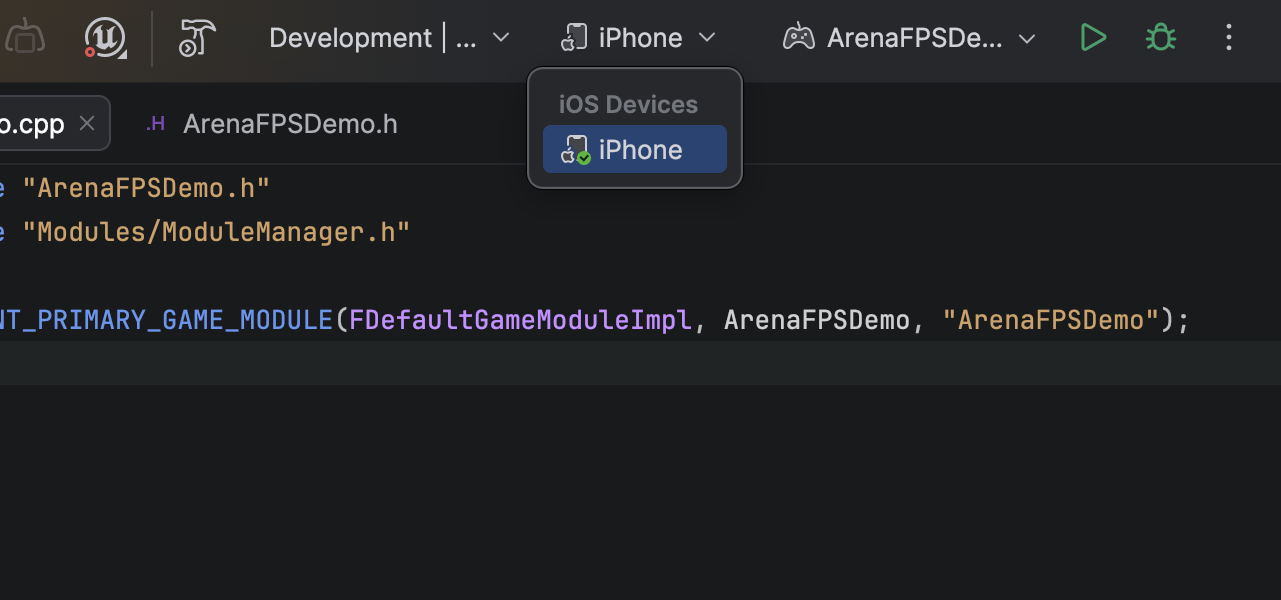
Rider 2026.1 fully supports mobile game development for Unreal Engine across both major mobile platforms. Esta versão expande a introdução, feita no Rider 2025.3, do suporte à depuração de dispositivos mobile e VR baseados em Android, adicionando suporte para dispositivos mobile e VR baseados em iOS.
No macOS, é possível depurar jogos do Unreal Engine que estejam rodando em dispositivos iOS diretamente pelo Rider. Defina pontos de interrupção, inspecione variáveis, percorra o código e analise stacks de chamadas — tudo isso na interface do depurador já conhecida.
A configuração inicial do Xcode para provisionamento e assinatura ainda é necessária, conforme os requisitos da Apple.
Dramatically faster variable inspections for UE projects
Inspecting complex variables while debugging Unreal Engine projects is now much faster and more responsive. Expanding containers no longer slows down your debugging session, making it easier to explore object state and understand what’s happening at runtime.
This improvement comes from a rewritten parser and evaluator for Natvis expressions used by Rider’s debugger. Variable inspection with the rewritten evaluator is up to 87 times faster on warm runs and 16 times faster on cold ones, and the debugger’s memory usage has dropped to just over a third of what it was.
Get the full story of how we were able to achieve that in this blog post.
Blueprint improvements
Finding usages, event implementations, and delegate bindings across Unreal Engine Blueprints and C++ code is now more reliable, making it easier to trace how gameplay logic connects across assets.
Code Vision now supports the BlueprintPure specifier and correctly detects blueprint events implementations in Blueprints. Find Usages has also been improved and now identifies additional BlueprintAssignable delegate bindings.
Blueprint usage search now relies on the asset path instead of the Blueprint name, ensuring accurate results even when multiple Blueprints share the same name.
Rider’s C++ intelligence is powered by JetBrains ReSharper C++. For a complete overview of the C++ improvements in this release, see the dedicated What’s New in ReSharper C++ 2026.1 page.
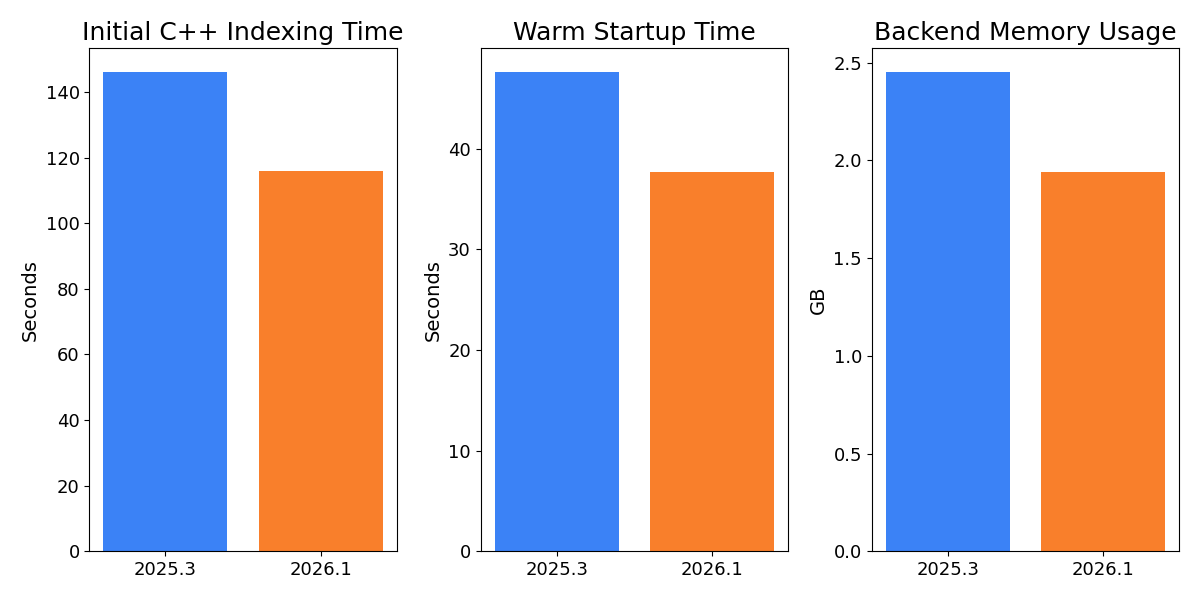
Faster indexing and lower memory usage for Unreal Engine projects
Working with large Unreal Engine codebases is now noticeably faster and more resource-efficient. In our measurements on Epic Games’ Lyra sample project, initial C++ indexing is over 20% faster, helping you get to work sooner when opening a project for the first time.
After opening an already indexed project, the backend uses approximately 14% less memory, reducing the IDE’s footprint and leaving more resources available for the rest of your workflow. Warm startup is also 10% faster, so returning to your project between sessions feels snappier.
Rider now also indexes Unreal Engine plugins by default. With the growing use of plugins in Unreal Engine projects and the recent performance gains, indexing plugins by default provides better code analysis and navigation out of the box. You can restore the previous behavior on the Language & Frameworks | C/C++ | Unreal Engine tab in Settings.
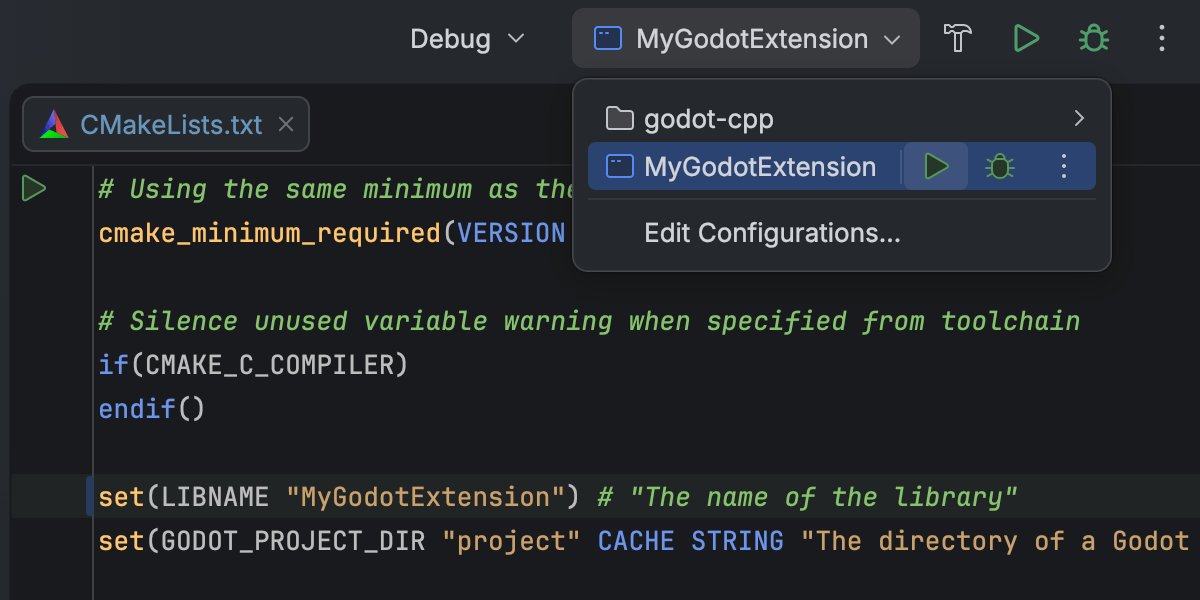
CMake support for C++ gaming projects Beta
O Rider 2026.1 apresenta suporte Beta a projetos C++ baseados em CMake, permitindo abri-los, editá-los e realizar build diretamente no IDE. Isso facilita o trabalho com projetos multiplataformas sem precisar trocar de sistema de build.
Esta implementação inicial foca em fluxos de trabalho C++, incluindo aqueles para edição e depuração de arquivos de configuração CMake. Alguns fluxos de trabalho e casos extremos ainda podem exigir refinamento, e continuaremos aprimorando performance e compatibilidade nas próximas versões. We would love for you to share your experience in this ticket.
This addition is intended to support game development workflows that rely on CMake, such as projects built around CMake-based engines or tooling. For general-purpose C++ and embedded development, CLion remains the primary JetBrains IDE.
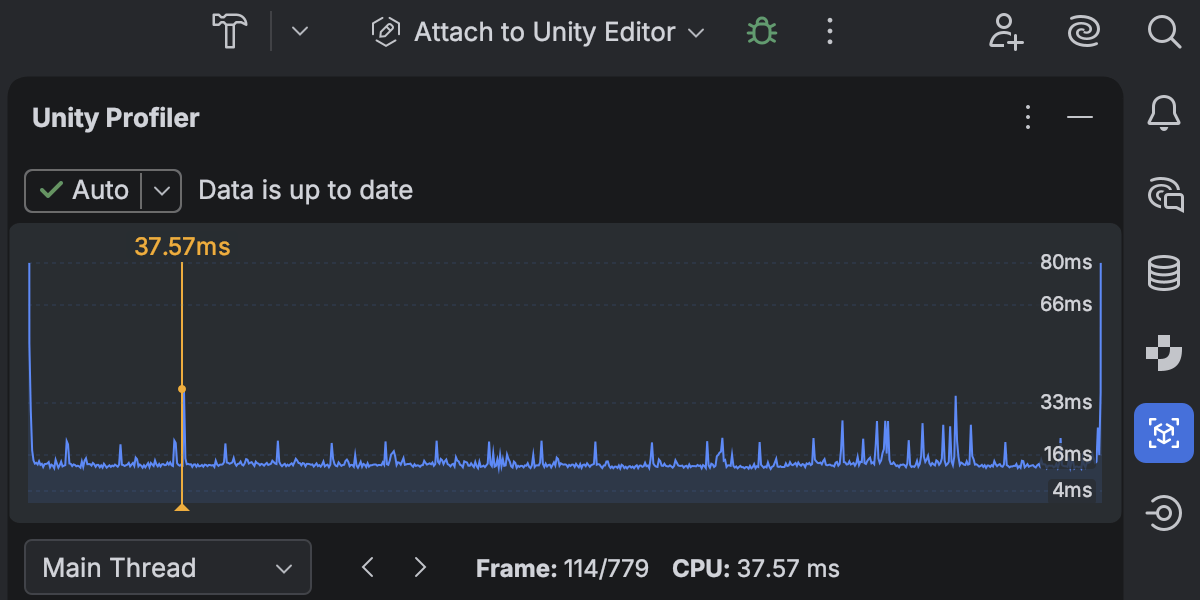
Integração do Unity Profiler redesenhada
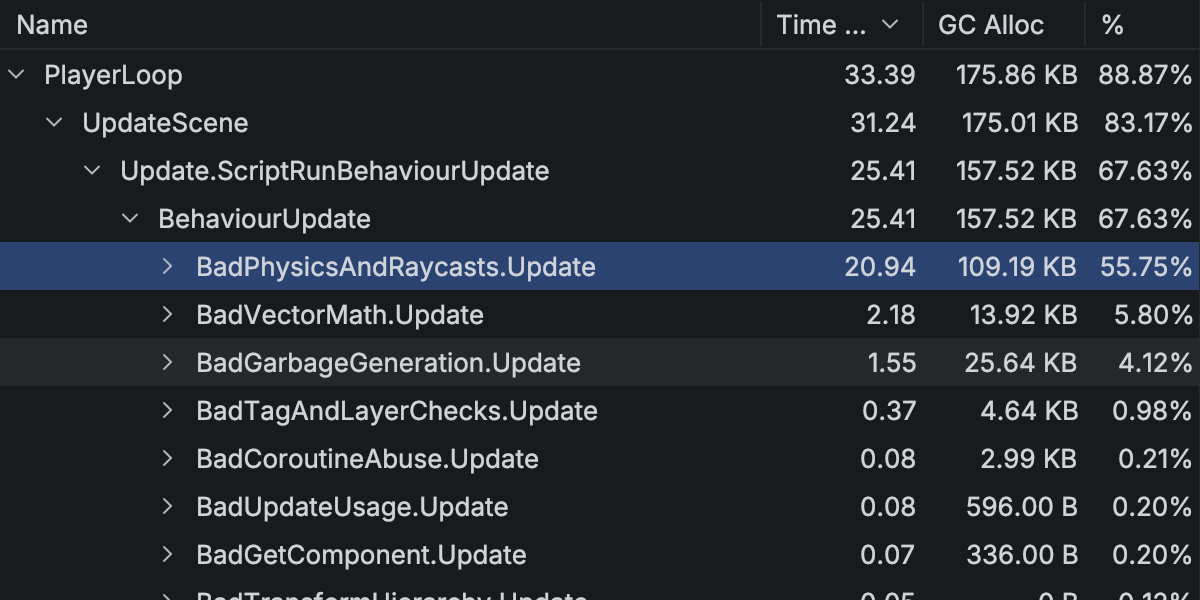
Performance investigation for game projects has become a first-class workflow in Rider 2026.1, thanks to the redesigned Unity Profiler integration.
You can now open Unity Profiler snapshots directly in Rider and analyze them in a dedicated Profiler tool window with a structured view of frames and call stacks. A timeline view shows CPU time per frame, helping you quickly identify slow frames and performance hotspots.
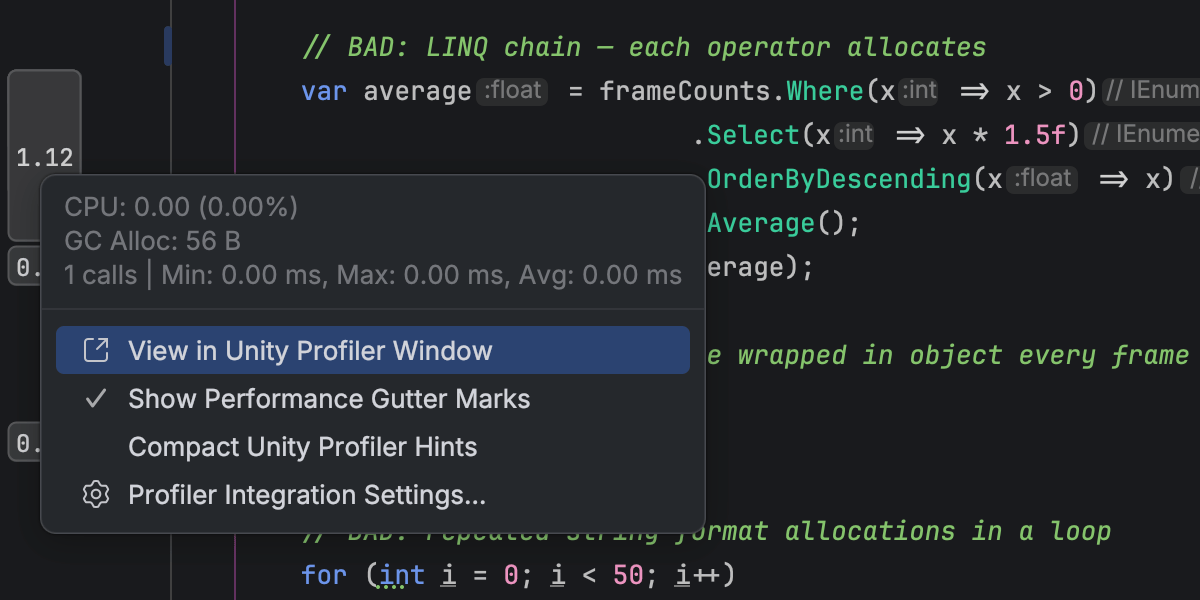
Dados do profiler estão totalmente integrados ao seu código. Você pode navegar diretamente de frames do profiler e stacks de chamadas para o código-fonte correspondente, enquanto indicadores na medianiz do editor exibem informações inline de tempo de execução e memória.
This integration reduces context switching between the Unity Editor and Rider, allowing you to move more naturally between performance data and code when investigating runtime issues.
Please note that Rider does not perform profiling itself and relies on profiler data produced by Unity. Learn how to get started from our documentation.
Depuração em modo misto .NET no Windows
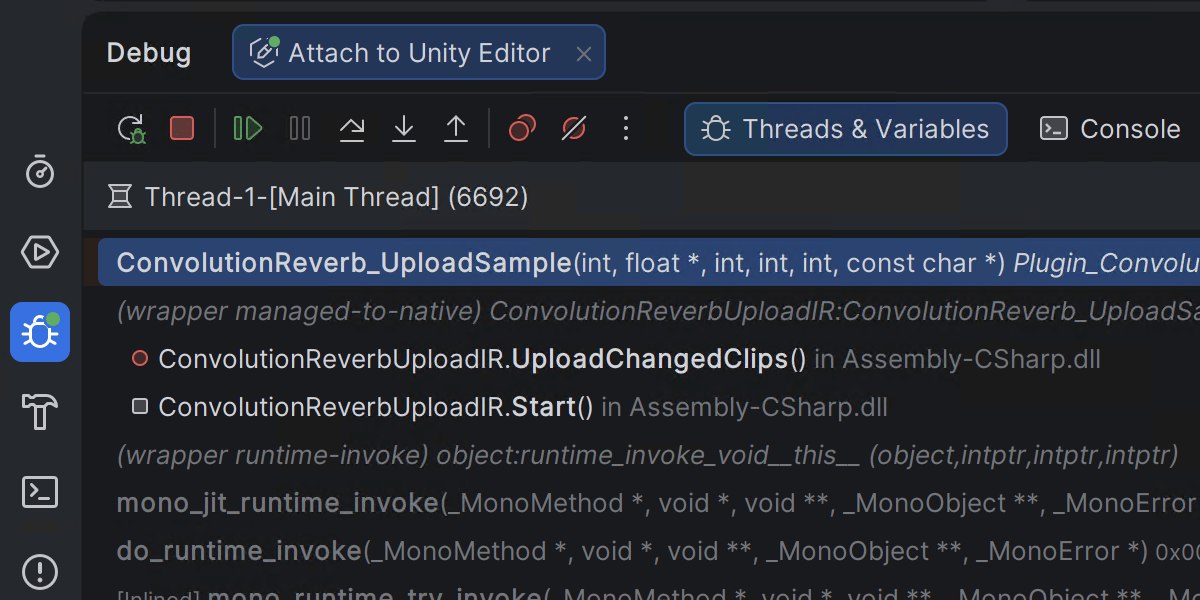
Rider 2026.1 introduces mixed-mode debugging, which lets you debug both managed (.NET and .NET Framework) and native (C/C++) code in a single debugging session. This is particularly useful for applications that cross managed-native boundaries, such as those where .NET code calls into native libraries or game engines built from a mix of managed and native components.
This feature is currently available only on Windows. You can leave your feedback on the feature in this ticket.
Melhor integração com o editor Godot
A integração do Rider com o Godot inclui um novo complemento que conecta o editor Godot ao Rider. Quando habilitado na barra de ferramentas do Godot, ele configura automaticamente as definições do editor Godot para uma experiência de desenvolvimento mais fluida no Rider.
Pesquise por “JetBrains Rider Integration” na AssetLib dentro do editor Godot para começar.
Platform and IDE changes
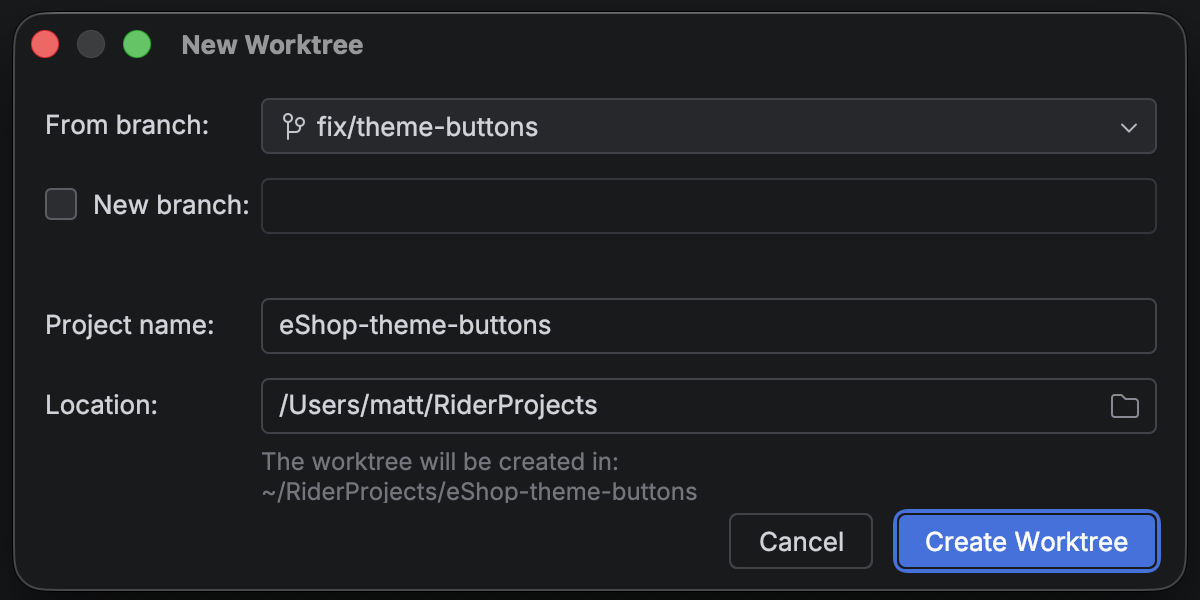
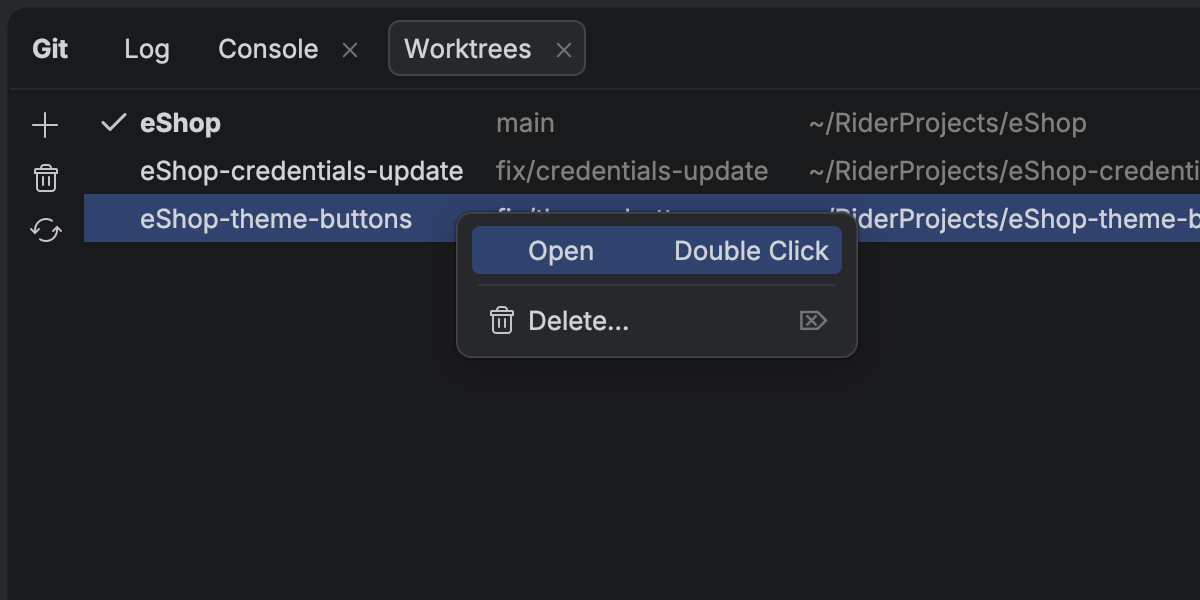
Capacidade de trabalhar em vários branches ao mesmo tempo com as worktrees do Git
O Rider continua evoluindo como uma plataforma aberta que permite incorporar suas ferramentas de IA preferidas aos seus fluxos de trabalho profissionais de desenvolvimento.
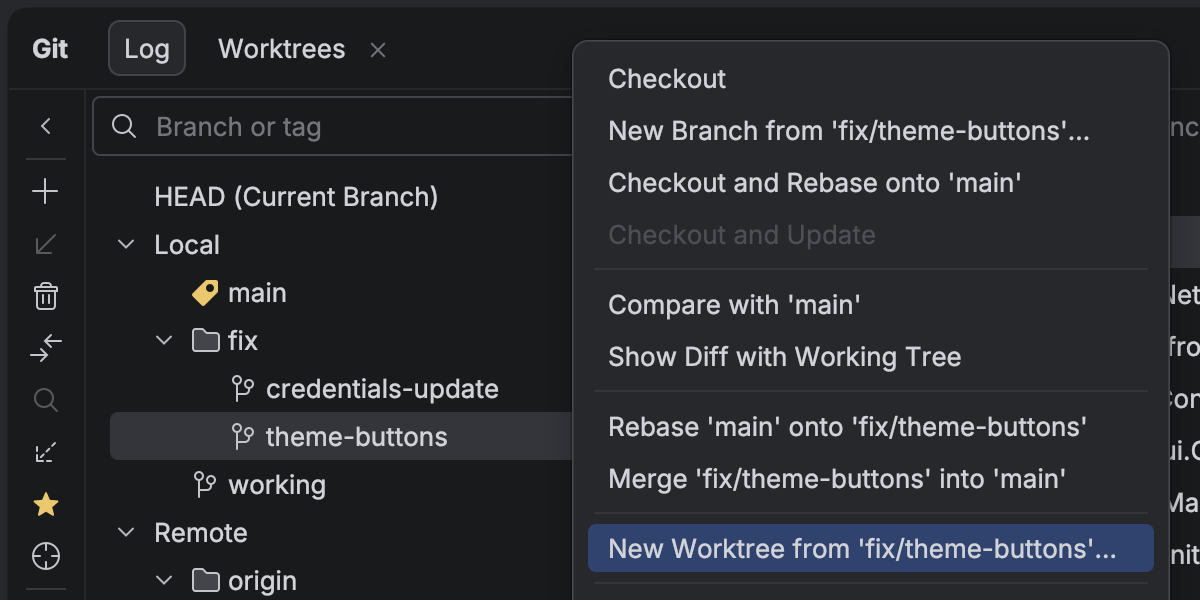
Com a evolução dos agentes de IA, a execução de várias tarefas em paralelo tornou-se uma importante forma de economizar tempo, e é precisamente nesse aspecto que as worktrees do Git se revelam extremamente úteis. Para dar suporte a fluxos de trabalho de ponta para o desenvolvimento de software incrementado por IA, agora o Rider oferece suporte de primeira a árvores de trabalho do Git. Crie uma árvore de trabalho separada para uma correção urgente, passe outra para um agente de IA e continue trabalhando no seu branch principal — tudo ao mesmo tempo, sem interrupção.
Mesmo que você não utilize agentes, as worktrees economizarão seu tempo na troca de branches, especialmente em projetos de grande porte.
Trabalho com bancos de dados
Agora a integração do chat de IA com o Codex e o Claude Agent oferece suporte completo e nativo para os seus bancos de dados conectados. Agora você pode consultar, analisar e modificar o estado do seu banco de dados usando linguagem natural diretamente no IDE. Este mesmo recurso também está disponível para agentes externos, através de um servidor MCP.
Agora as configurações de fontes de dados podem ser armazenadas na sua conta da JetBrains, através de modelos de fontes de dados. Esta atualização é conveniente em especial para usuários do All Products Pack e para todos os que usam várias instâncias de JetBrains IDEs. Ela permite acessar modelos e configurações de fontes de dados em todos os JetBrains IDEs com recursos de bancos de dados.
Fim do suporte ao Code With Me
À medida que continuamos a fazer nossos IDEs evoluírem e nos concentramos nas áreas que entregam mais valor para os desenvolvedores, decidimos encerrar o suporte ao Code With Me, nosso serviço para programação colaborativa e em pares. A demanda por este tipo de recurso diminuiu nos últimos anos e estamos dando prioridade a fluxos de trabalho mais modernos e adequados ao desenvolvimento de software em nível profissional.
A partir da versão 2026.1, o Code With Me será retirado da instalação principal de todos os JetBrains IDEs. Ele ficará disponível no JetBrains Marketplace, na forma de um plug-in separado. A versão 2026.1 dos IDEs será a última com suporte oficial ao Code With Me, pois estamos gradualmente desativando o serviço.
You can read the full announcement and see the sunset timeline in this blog post.